
LSR vs HCR: Silicone Rubber for Medical Devices
With a long track record of biocompatibility, medical-grade silicone is a trusted choice in short- and long-term implantable devices and components.
Two common forms stand out: Liquid Silicone Rubber (LSR) and High Consistency Silicone Rubber (HCR). While both materials share some similarities, they also exhibit distinct characteristics that make them suitable for different applications. What are some key differences?
Liquid Silicone Rubber (LSR)
LSR is a two-part, platinum-catalyzed silicone elastomer that cures into a non-toxic, flexible, and durable material. In liquid form, LSR is injected into molds to form complex shapes, with minimal material waste. It cures rapidly, has exceptional optical transparency and clarity, and is suitable for prolonged contact with the human body. It offers exceptional tear resistance, elongation, and chemical resistance.
LSR is commonly used in devices and components requiring tight tolerances and intricate geometries, including implantable pulse generators, defibrillators, spinal cord stimulators, brain stimulators, nerve stimulators, chemotherapy ports, pacemaker componentry, and optical lenses.
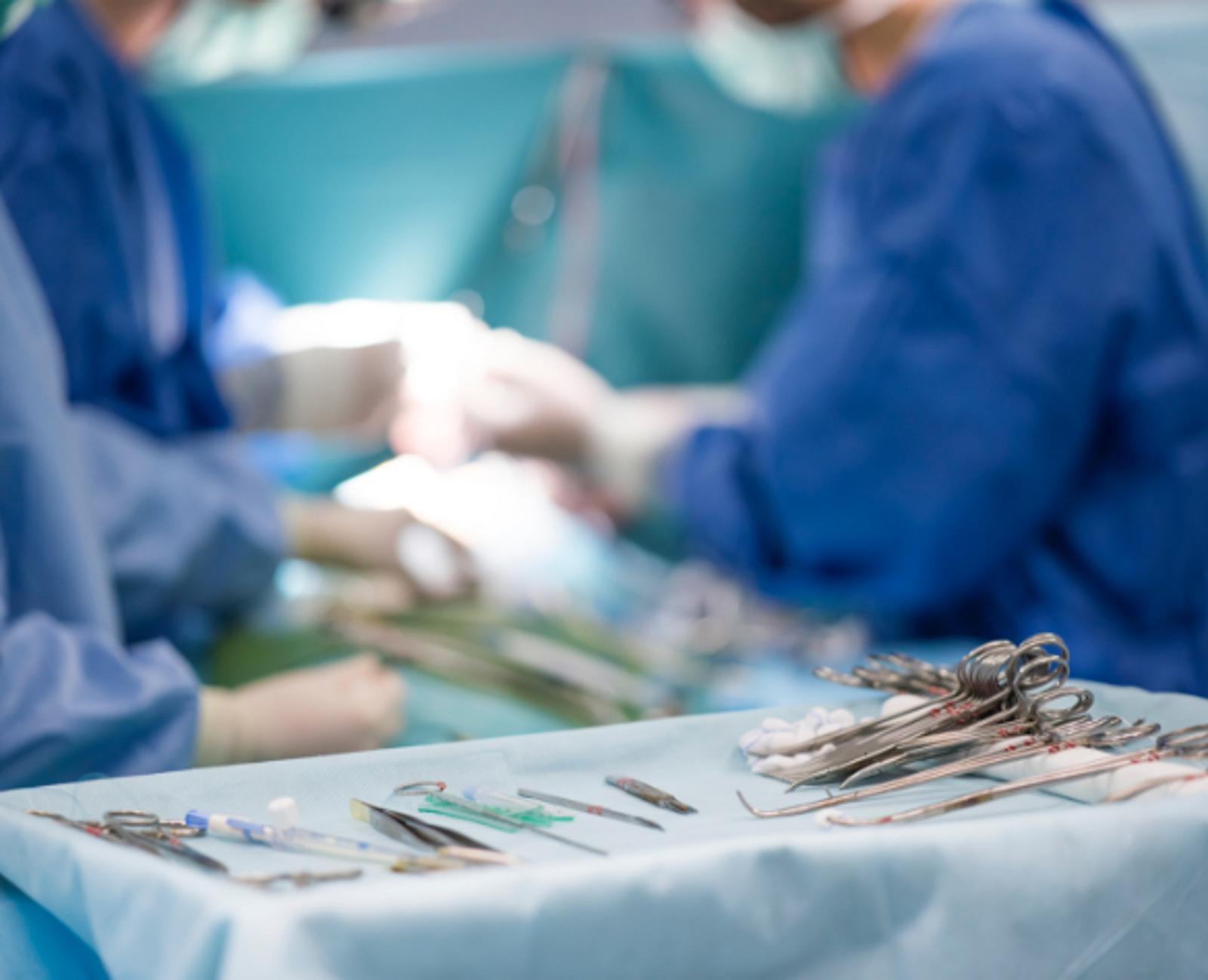
High Consistency Silicone Rubber (HCR)
HCR, also known as solid silicone rubber, is a high-viscosity silicone elastomer that requires compression or extrusion molding to shape it into a desired form. It cures through a heat-activated process and is often used in devices requiring complex shapes or thin walls. Unlike LSR, it does not flow like a liquid but maintains its shape and can be manipulated into various forms using molding or extrusion processes.
HCR is known for its excellent mechanical properties, including high tensile strength, tear resistance, and compression set, making it suitable for applications that require durable and long-lasting performance. It is also known for maintaining its properties over a wide temperature range–from extreme cold to high heat–making it suitable for sterilization processes and harsh environmental conditions.
HCR is often used in devices that require durability, stability, resilience, and resistance to temperature variances, like O-rings, septa, seals, gaskets, surgical implants and components, compression pads and cushions, wound drains, drainage tubes, and respiratory masks.
Trust Your Manufacturing Partner
While both Liquid Silicone Rubber (LSR) and High Consistency Silicone Rubber (HCR) are two types of silicone elastomers, they offer unique advantages. The choice between them depends on the specific requirements of the medical device and its application, as well as the performance and manufacturing process.
Flexan is a trusted manufacturing partner with more than 75 years of experience in supporting the world’s top medical device manufacturers with their growing device and component needs, including:
- Precision molding and extrusion processes
- Tip forming, bonding, and overmolding
- Tool design
- Design for Manufacturability (DFM)
- Expert material selection
- Mitigating patient risk
- Improving time to market
As your manufacturing partner, Flexan offers over 100,000 square feet of ISO-certified Class 7 and 8 Cleanroom space in five global locations. Contact us today or visit www.flexan.com to find out whether Flexan’s precision manufacturing solutions may be right for you.
Related Articles
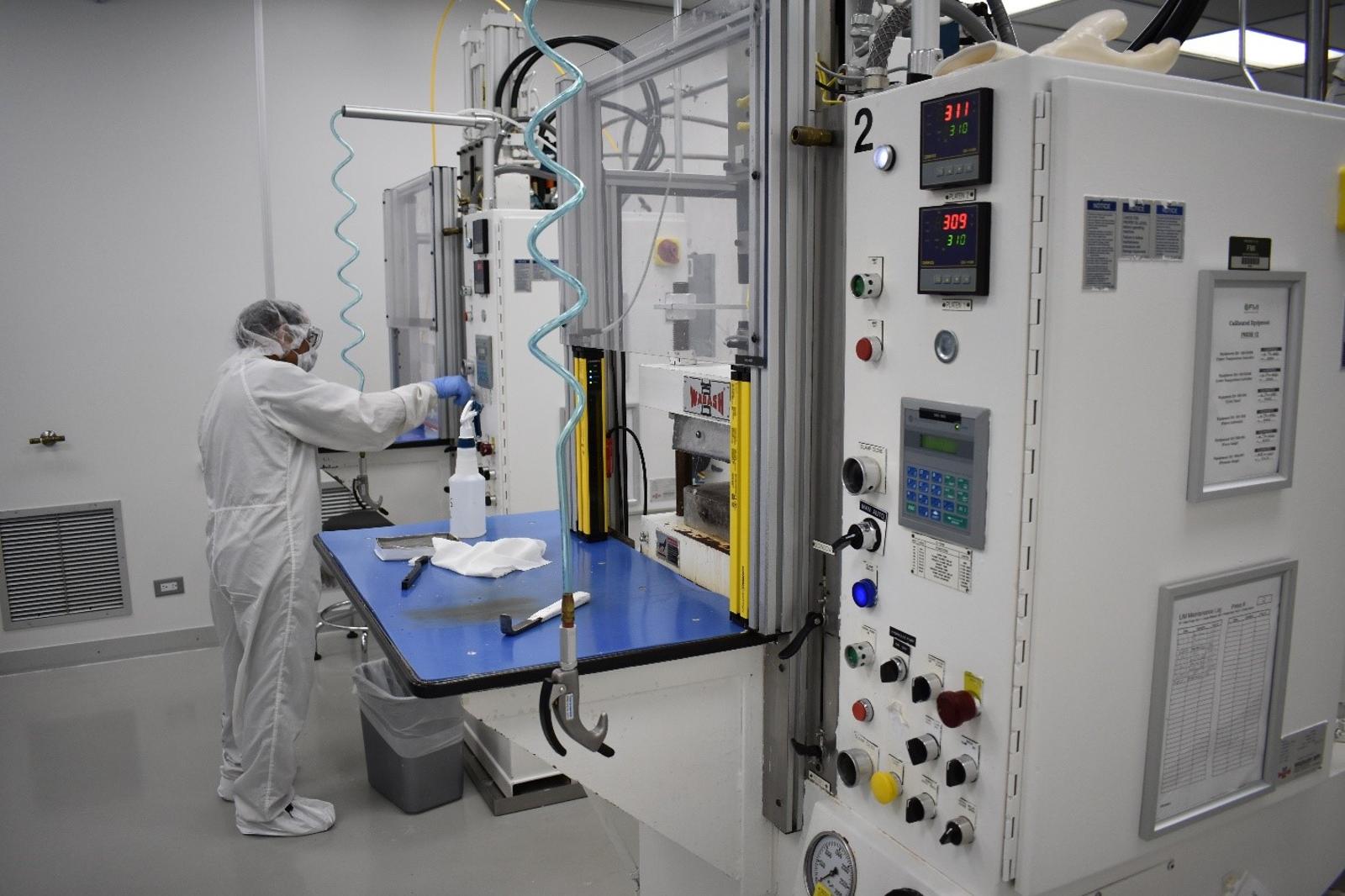
HCR Silicone for Medical Devices: How PEG Improves Processability, Extrusion Quality & Material Performance
Learn more about HCR silicone and how PEG boosts flow, cure behavior and extrusion for medical grade applications.
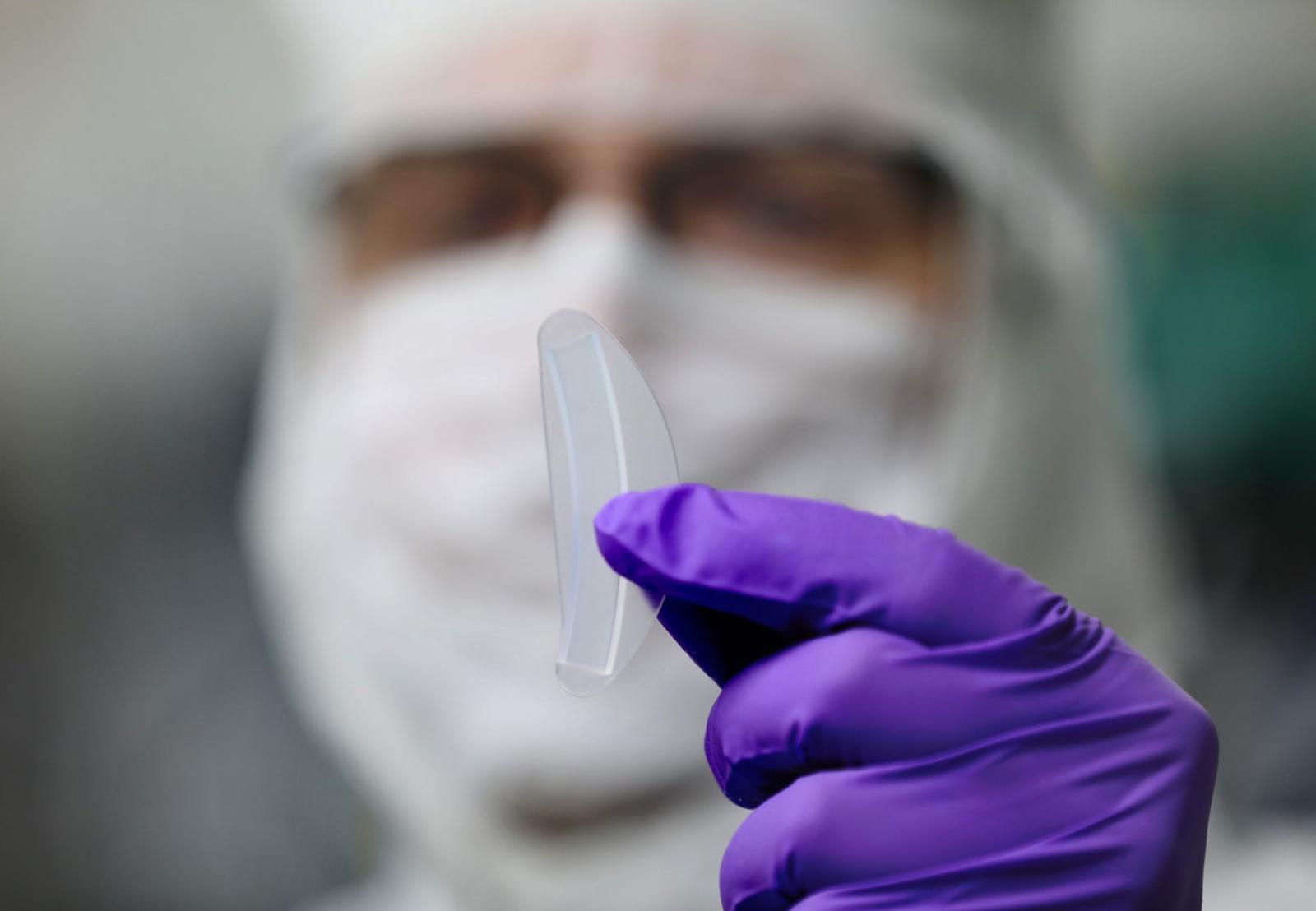
Choosing the Right Polymer for Your Medical Device Component
Choosing the right polymer for your medical device component? Choosing the right polymer can determine the durability, use, expense involved and other key factors that will go into producing a medical device. What is the standard decision process a device...
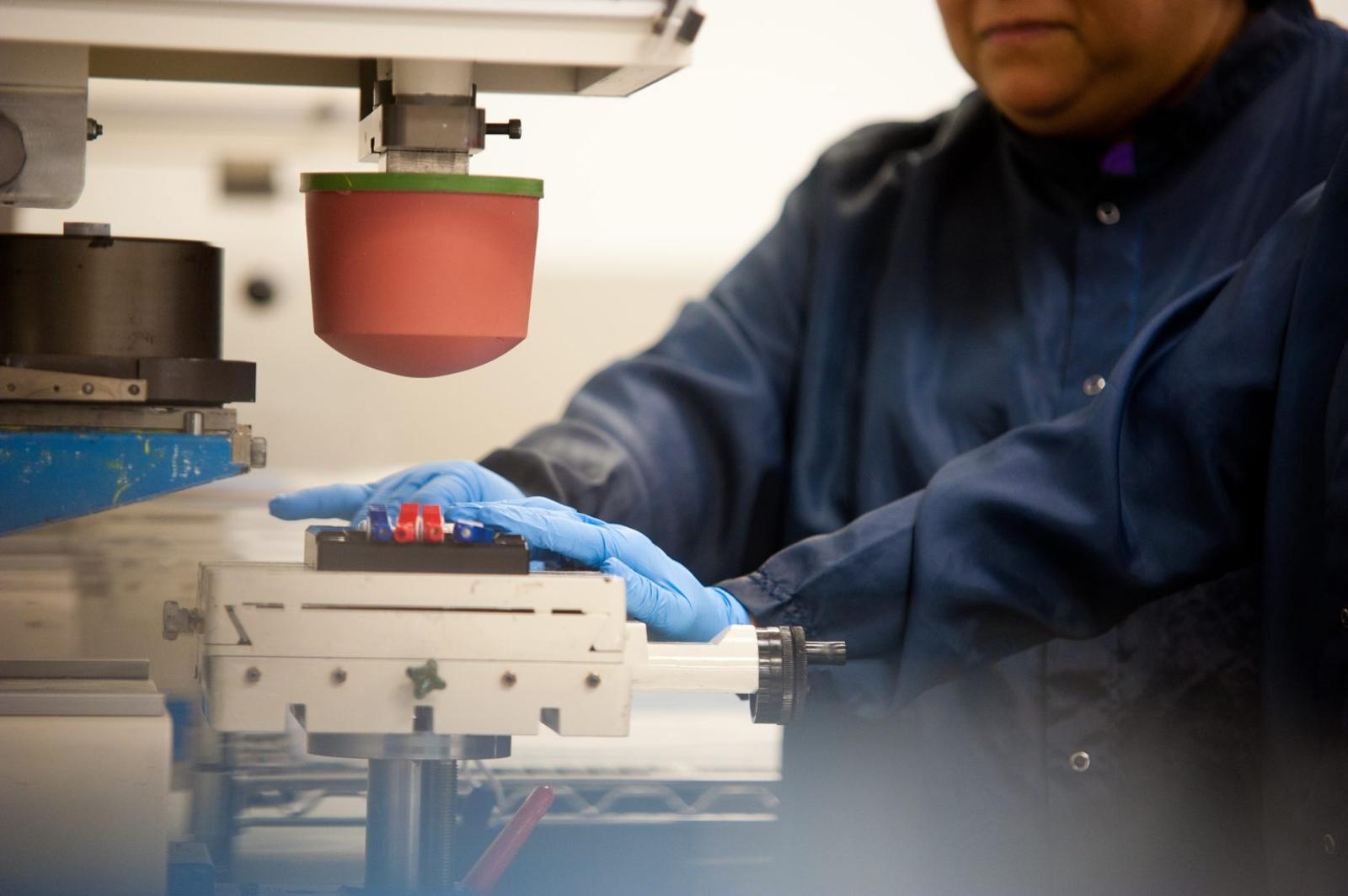
Liquid Injection Molding (LIM) for Medical Device Manufacturing - Part 2
In part 1 of this series, we looked at liquid injection molding (LIM) and how it compared to other types of molding for medical device manufacturing. In this blog, we will take a deeper dive into the silicone liquid injection...
Using Liquid Injection Molding (LIM) for Medical Device Manufacturing
Within the world of medical device manufacturing, Liquid Injection Molding (LIM) is a process that provides several benefits over other methods. Product strength and reduced weight, all while being more cost effective than some other alternatives, and still producing an...
REACH OUT TO US