
12 Commonly Used Elastomers for Molded Rubber Applications: Part 1 - General Purpose Elastomers
Thermoset elastomers, commonly known as rubber, are the best materials for a wide variety of industrial applications, due to their ability to provide both flexibility and durability. However, elastomers are complex materials, which must be chosen carefully and compounded to fit the part’s function and the molding process required.
The selection of elastomer materials plays a critical role in demanding defense applications, where molded rubber parts for military equipment must consistently withstand harsh environments, mechanical stress, and rigorous performance requirements.
Material Selection Is Only One Part of the Design Process
Choosing the right elastomer is critical to the success of a molded component, but material properties are only one factor in achieving optimal performance. When selecting an elastomer for a molded rubber part, engineers should consider operating temperature, contact with oils or chemicals, mechanical demands, expected service life, part geometry and tolerances, and molding requirements. They must also account for manufacturing constraints. Evaluating these factors early in the design process can improve functionality, manufacturability, and long-term product reliability.
Engineers must also evaluate geometry, tolerances, durability requirements, and manufacturing constraints when comparing molded rubber vs. molded plastic parts.
ASTM standards can help define material requirements and evaluate molded rubber components. ASTM D2000 is commonly used to classify and specify rubber materials for automotive applications. Relevant test methods include ASTM D2240 for hardness, ASTM D412 for tensile properties, ASTM D395 for compression set, and ASTM D471 for the effects of liquids on rubber. The applicable methods and acceptance limits depend on the part specification and its operating conditions.
This Two-Part Blog Series Provides an Overview of Elastomer Families and Specifications on 12 of the Most Popular Types of Elastomers for Industrial Applications of Molded rubber Parts.
Part 1 focuses on an overview of rubber families and the five types of general purpose elastomers and their industrial applications.
Rubber and Elastomer Families Used in Molded Rubber Components
Although “rubber” and “elastomer” are often used interchangeably, elastomers vary in chemical composition and performance. For molded rubber components, choose a material based on the part’s operating conditions and required properties. Natural rubber (NR) is a strong option when high elasticity, tensile strength, and abrasion resistance matter. Styrene-butadiene rubber (SBR) also offers good abrasion resistance and is commonly used in tires, but it has poor resistance to oils and fuels. EPDM is suited to outdoor, hot-water, and steam applications because it resists weathering, ozone, and heat, but it is generally not suitable for petroleum oils and fuels. Nitrile rubber (NBR) is often selected for parts exposed to oils and fuels, while fluorocarbon rubber (FKM) is used when greater resistance to heat, oils, and chemicals is needed. Performance varies by compound and grade, so confirm suitability against the part’s specific conditions and requirements.
General Purpose Materials
Generally lower cost and are most appropriate for less demanding applications such as bumpers, where parts are not exposed to chemicals or such extreme temperatures as under-the-hood automotive parts.
- EPDM
- Natural rubber
- Polyisoprene
- SBR
- Silicone
High Performance Engineered Materials
Tend to be more expensive but can be vital for high-performance applications and durability under harsh operating conditions. For example, automobile parts, miniature pneumatics, or petroleum processing applications might require the use of any or all of the three high-performance materials.
- FKM
- FSI
- HNBR
Oil and Hydrocarbon Resistant Materials
Oil- and hydrocarbon-resistant elastomers range from low to high cost. NBR and HNBR are common candidates for specified oils and fuels, while FKM may be suitable when greater heat or chemical resistance is needed. Compatibility depends on the exact fluid, temperature, exposure time, and rubber compound, so verify the material against the application’s requirements before use.
- FKM
- FSI
- HNBR
- NBR
- Neoprene
- Urethane
High Temperature Materials
Medium to high cost, but retain their properties without degradation. They may be used for applications such as nuclear plant equipment and seals that come in contact with pressured steam, allowing them to resist dissolving or oxidation.
- EPDM
- FKM
- FSI
- HNBR
- Silicone
Low Temperature Materials
Range in cost from low to high and may be used for operating conditions as low as -110°F while retaining their flexing and sealing properties.
- Butyl rubber
- EPDM
- FKM
- FSI
- HNBR
- NBR
- Neoprene
- Silicone
Range in cost from low to high and may be used for operating conditions as low as -110°F while retaining their flexing and sealing properties.
- Butyl rubber
- EPDM
- FKM
- FSI
- HNBR
- NBR
- Neoprene
- Silicone
When selecting the best material for the application, the rubber molding chemists and engineers will take both price and performance into consideration
Five General Purpose Elastomers – Overviews/Industrial Applications
ETHYLENE PROPYLENE DIENE (EPDM/EPM)
EPM is a copolymer of ethylene and propylene.
EPM can only be cured/cross-linked with peroxides. Introducing the third monomer, diene, to the mix will result in a rubber mix to be sulfur cured due to the unsaturation. EPDM’s main properties are its excellent resistance to heat, steam, weather and ozone, and its good electrical insulating properties.
Applications
- Hoses: coolant, heater, brake, A/C and air tubing
- Radiator seals
- Weather strips and sealing systems
- Molded gaskets and ducts
- Windshield wipers, mounts
- Tire and tube applications
- Electrical Insulation and jacketing for low and medium voltage
- Connectors and tapes
- Conveyor belts
- Roll coverings
- Roofing sheets
- Window profiles
- Gaskets
Natural Rubber
Natural rubber consists of polymers of the organic compound isoprene, with minor impurities of other organic compounds plus water. Forms of polyisoprene that are useful as natural rubbers are classified as elastomers. Natural rubber is based on sap derived from rubber tree plants, which is harvested in the form of latex. The latex is a sticky, milky colloid drawn off by making incisions into the bark and collecting the fluid in vessels in a process called tapping. The latex then is refined into rubber ready for commercial processing.
Natural rubber is very elastic and has a high tensile strength, high elongation values and very good abrasion resistance. Natural rubber is susceptible to aging and oil swell, which is why natural rubber is not highly recommended for seal applications.
In order to improve its properties, the formulation may have to be modified by incorporating antioxidants and antiozonants, as well as blending in other desired elastomers.
Applications
- Tires
- Automotive products
- Industrial and engineering goods
- Footwear
- Adhesives
- Windshield wiper blades
- Latex products
- Conveyor belts
- Hoses
- Rubber linings
- Rubberized fabrics and components
- Bridge bearing pads
- Dock fenders
- Anti-vibration mountings
- Vehicle suspension systems
Polyisoprene
Polyisoprene is built up from the linking of multiple isoprene molecules into a synthetic elastomer with characteristics similar to natural rubber in structure and properties.
Synthetic polyisoprene exhibits excellent resilience and good tensile strength. Its color uniformity from one batch to another is easy to maintain because of the uniformity of the polymer. Polyisoprene serves many applications requiring uniform quality and performance, especially where color is concerned.
Polyisoprene has lower green strength, hot tear and a slower curing rate than natural rubber. Polyisoprene has more consistency than natural rubber in strength, cure rate, processing, mixing and molding.
Applications
- Baby bottle nipples
- Hoses
- Tires
- Engine mounts
- Shock absorbers
- Bushings
- Gaskets
- Footwear
- Sporting goods
Styrene Butadiene Rubber (SBR)
The SBR copolymer consists of styrene and butadiene.
SBR has good abrasion resistance and good aging properties when protected by additives such as antioxidants and antiozonants. SBR has superior water resistance, heat resistance, low-temperature flexibility, and heat aging. SBR also has good electrical insulation, alcohol resistance, oxygenated solvent resistance, and mild acid resistance.
SBR has poor resistance to oils, fuels, hydraulic fluids, strong acids, and greases. SBR can be compounded to improve ozone resistance. SBR is blended with natural rubber for making tires.
Applications
- Tires
- Tubes
- Gaskets
- Belts
- Hoses
- Seals
- Shock mounts
Silicone rubber (SI, Gum and Liquid) – High and Low Temperature
Silicone rubber differs from most organic elastomers because its backbone is made of alternating silicon and oxygen atoms rather than carbon atoms. It is available as gum stock, a high-consistency material typically processed by compression, transfer, or injection molding, and as liquid silicone rubber (LSR), a two-part material commonly processed by injection molding. The choice depends on the part’s design, production volume, and molding requirements.
Gum silicone is a high-consistency material typically processed by compression or transfer molding. Liquid silicone rubber (LSR) is a pumpable, two-part material commonly processed by injection molding. The best option depends on the part design, production volume, and molding requirements; suitability also varies by grade.
In addition to being a general purpose elastomer, silicone rubber offers good resistance to extreme temperatures and can operate normally at temperatures ranging from -55 °C to +230 °C.
In contrast to organic rubber, which has a carbon-to-carbon backbone that can leave it susceptible to ozone, UV, heat and other aging factors, silicone rubber can withstand these elements well. This makes silicone one of the elastomers of choice for many extreme environments. Silicone also has excellent vibration damping and still maintains its dielectric strength. However, silicone has poor tensile strength, tear and abrasion resistance.
Applications
Automotive
- Under-the-hood components
- Pollution-control devices
- Ignition cables insulated and/or jacketed
- Coolant and heater hoses
Aerospace
- Connectors
- Dust boots
- Seals
- Gaskets
- Cushions
- Anti-icing hoses
- Oxygen masks
Appliances
- Wire insulation
- Oven door gaskets
- Defroster wires
- Electrical applications
Food and Health
- Baby bottle nipples
- Tubing for liquids
- Conveyor belts for food
Medical
- Prosthetic devices
- Implants
- Surgical tubing
Coming Up ….
Part 2 of this article will cover molded rubber components made from high-performance elastomers, materials that resist oil and hydrocarbons, and those that can withstand extreme temperatures in harsh operating environments.
Subscribe to our blog to ensure you don’t miss it.
Related Articles
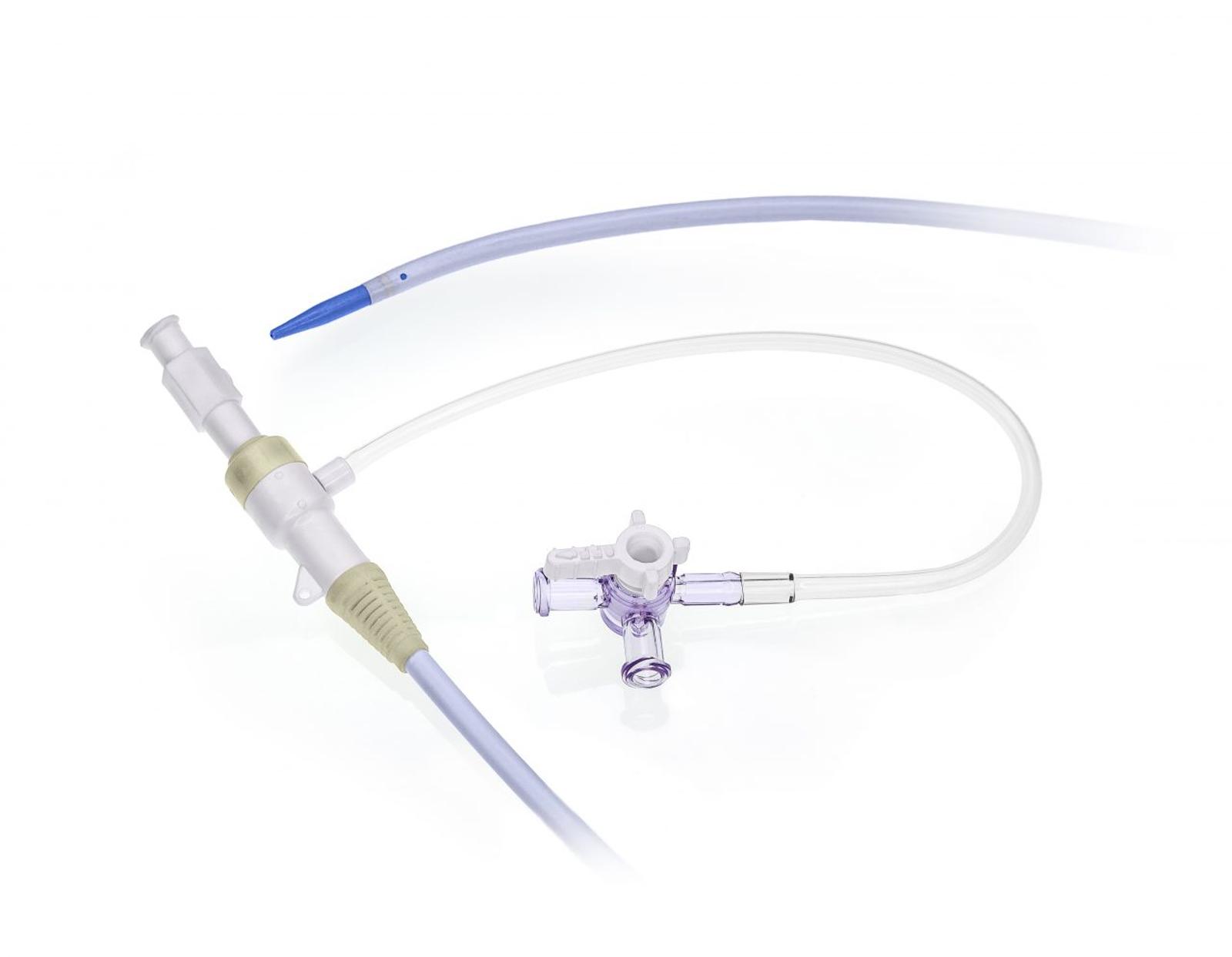
The Growth of Biocompatible Silicone in Implantable Medical Devices
After more than 50 years of using silicone rubber in medical implants, the number of applications for the material’s use in both short- and long-term implantable medical devices just keeps growing. With its long track record of biocompatibility, medical-grade silicone...
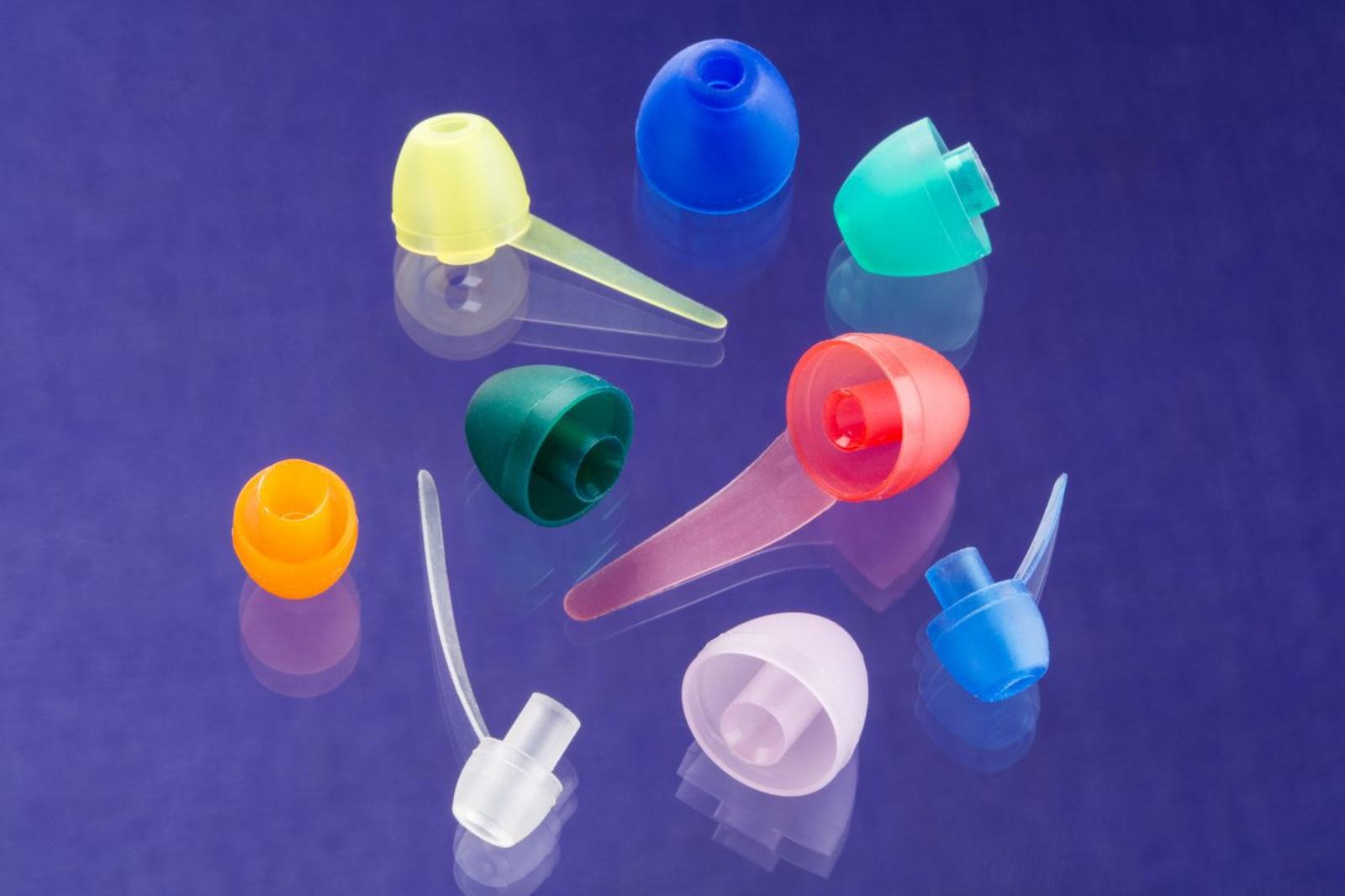
Understanding Silicone Molding for Implantable Medical Devices
Medical device manufacturers rely on the biocompatibility of silicone for a wide range of devices that come in contact with the body, ranging from long-term orthopedic surgical implants and cardiovascular devices to one-time-use devices. This article provides guidance to medical...
REACH OUT TO US